Unlike standard domiciliary care, hospital discharge care is specifically tailored to support recovery from acute illness, surgery, or injury. Our carers work closely with hospital discharge teams, GPs, community nurses, and other health professionals where appropriate to support coordinated, person-centred recovery at home.
Hospital Discharge Care in Swindon
Leaving hospital can be a critical time in a person's recovery journey. At Earnest Support Care Ltd, we specialise in providing safe, structured support to help service users transition from hospital care back to their homes. Our hospital discharge care service ensures continuity of care, reduces readmission rates, and supports individuals to regain confidence and independence during this important period.
24–48hrsRapid Setup
CQCAligned Practice
2–6 WeeksCore Services
NHSDischarge Partner
What is Hospital Discharge Care?
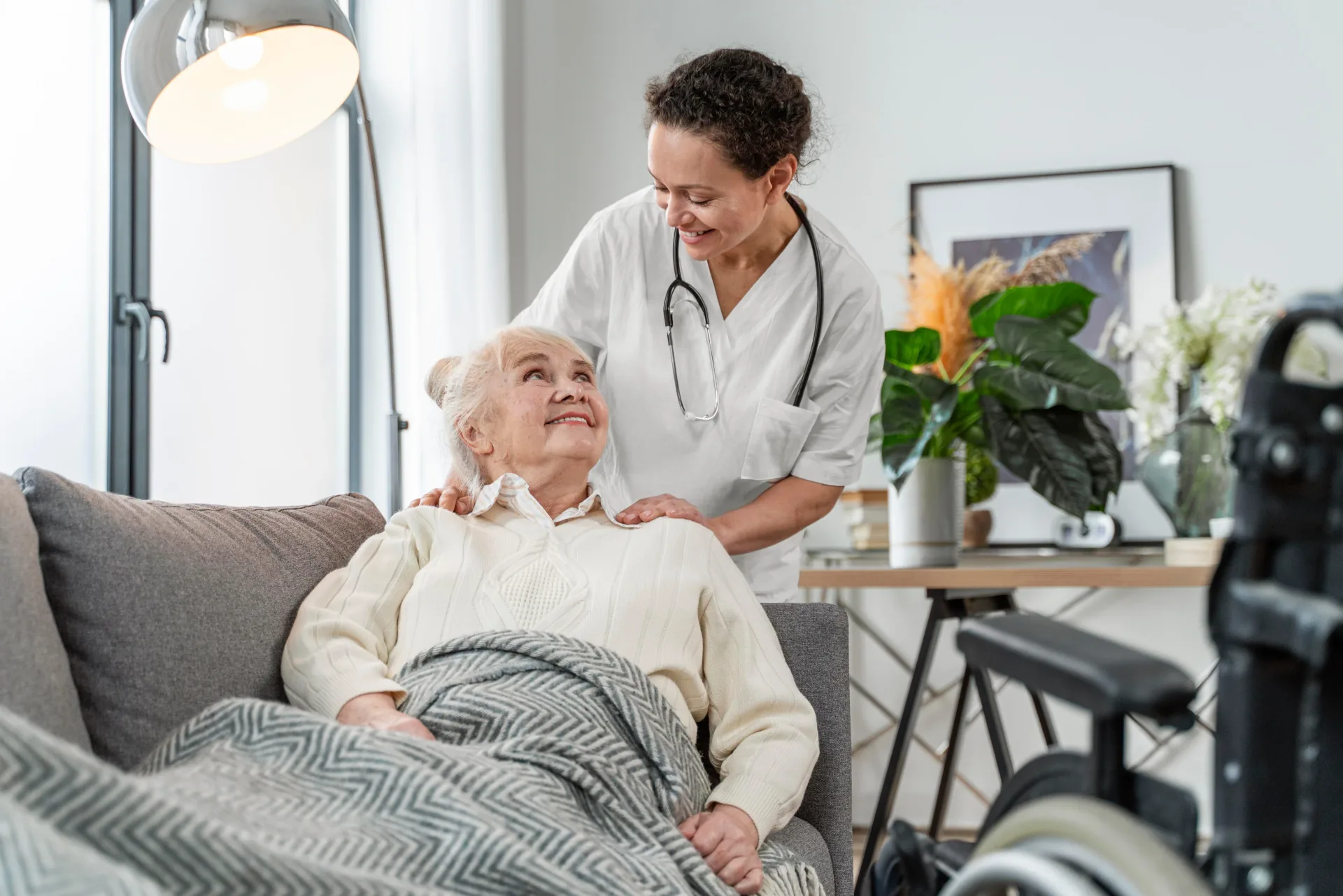
Hospital discharge care is specialist domiciliary support provided to individuals in the immediate period following hospital discharge. This service bridges the gap between hospital care and returning to independent living, providing essential support with activities of daily living, medication routines, agreed recovery activities, and emotional reassurance during what can be a vulnerable time.

Discharge Guidance
Understanding NHS Discharge Pathways
Current hospital discharge guidance describes four pathways, each designed to support different care needs and recovery requirements.
→
Pathway 0
Discharge to usual place of residence
Pathway 0 is a simple discharge home, or to the person's usual place of residence, with no new or additional health and social care support. It can include self-management, signposting to community services, voluntary-sector support, or restarting an existing home-care package at the same level.
→
Pathway 1
Discharge to assess at home
Pathway 1 supports discharge home with new or additional health and social care support coordinated through the care transfer hub. This can include time-limited home-based intermediate care for rehabilitation, reablement, and recovery while longer-term needs are understood.
→
Pathway 2
Short-term rehabilitation or reablement
Pathway 2 is discharge to a community bed-based setting with dedicated recovery support. It is used when a person needs time-limited rehabilitation, reablement, or recovery support in a care home, community hospital, or other bed-based rehabilitation setting before returning home or moving to longer-term support.
→
Pathway 3
Complex discharge and ongoing care needs
Pathway 3 is used only in rare circumstances for people with the highest level of complex needs. It involves discharge to a care-home placement for assessment of long-term or ongoing needs and to support an appropriate longer-term placement decision. Read GOV.UK guidance
The Discharge to Assess (D2A) Model
The Discharge to Assess model supports people to leave hospital when they are medically ready and complete assessment in an appropriate community setting. This can avoid unnecessary delays while longer-term needs are understood.
When home is the right setting, temporary support can help a person settle back in while professionals assess their needs and plan the next stage of care.
Faster hospital discharge
Individuals can leave hospital when they are medically ready, with the right short-term support in place.
Better outcomes
Recovering in familiar surroundings can help people regain confidence and settle back into daily routines.
Accurate assessment
Care needs are assessed in the person's own home, providing a genuine picture of their abilities and support requirements.
Reduced readmission
Short-term support can help identify changing needs early and address practical issues after discharge.
Person-centred care
The approach focuses on what individuals can do, building confidence and maximising independence rather than creating dependency.
Coordinated transition
Professionals have time to understand longer-term needs and plan the right next step with the individual and their family.
Healthcare Standards
NICE Guidelines and Evidence-based Practice
Our hospital discharge care is underpinned by NICE guidance, particularly NICE Guideline NG27 on transitions between inpatient hospital settings and community or care home settings. This guidance emphasises person-centred assessment, clear communication, coordination of services, and early involvement of social care and community health teams in discharge planning.
We maintain our practice in line with CQC inspection frameworks, consistently delivering care that is safe, effective, caring, responsive, and well-led. Our staff receive ongoing training in hospital discharge best practice, emergency care, medication management, and safeguarding, ensuring they are equipped to deliver world-class support.
Domiciliary Care
How Domiciliary Care Supports Safe Hospital Discharge
Our hospital discharge care service provides comprehensive support across multiple dimensions of recovery, ensuring that individuals can remain safely at home whilst regaining independence.
MENTAL WELLBEING
Medication Management and Reconciliation
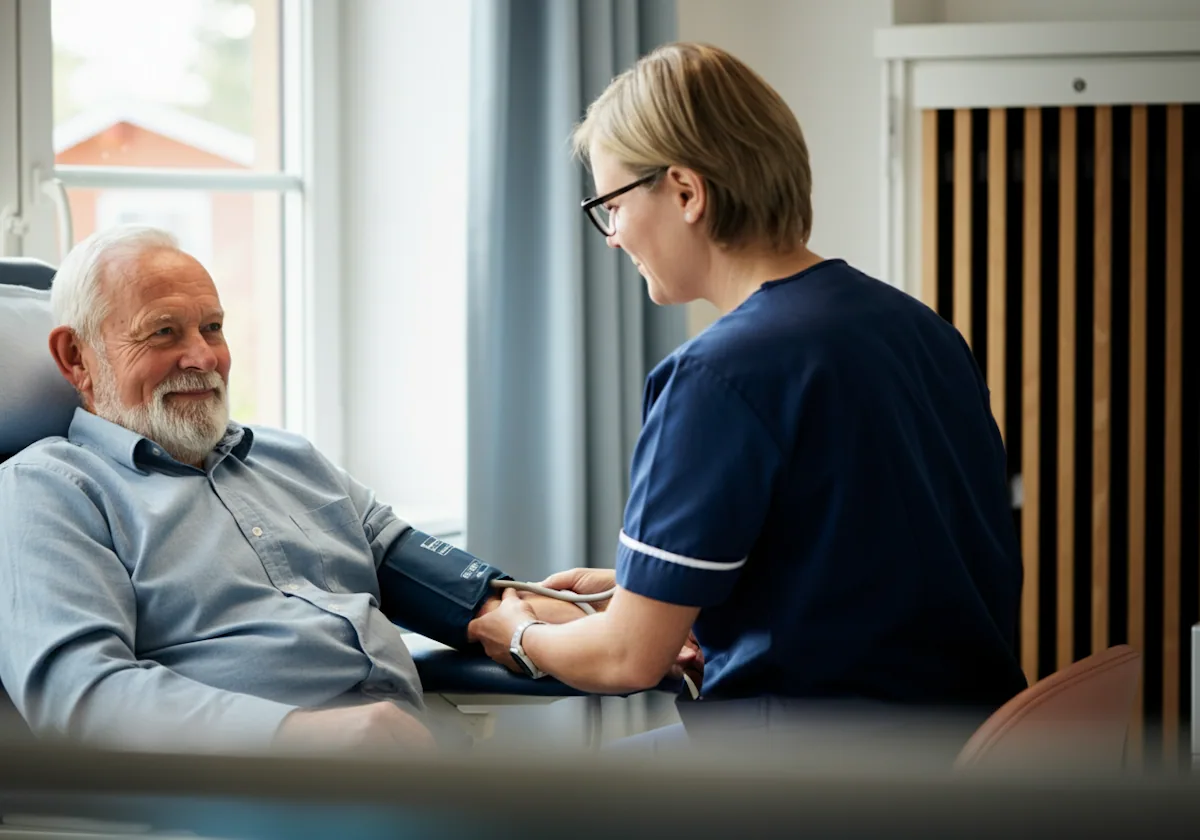
Medication errors are a common cause of hospital readmission. Our carers work from detailed medication administration records provided by the hospital or GP, ensuring that all prescribed medications are given at the correct time, at the correct dose, and recorded accurately.
We support medication reconciliation, which involves reviewing all medications to ensure they are still appropriate, identifying any duplications or interactions, and liaising with GPs and hospital teams if concerns arise.
We help individuals understand their medications, including what each one does, any side effects to expect, and the importance of adherence. This health literacy support is crucial to preventing complications and ensuring effective treatment.
Personal Care and Hygiene
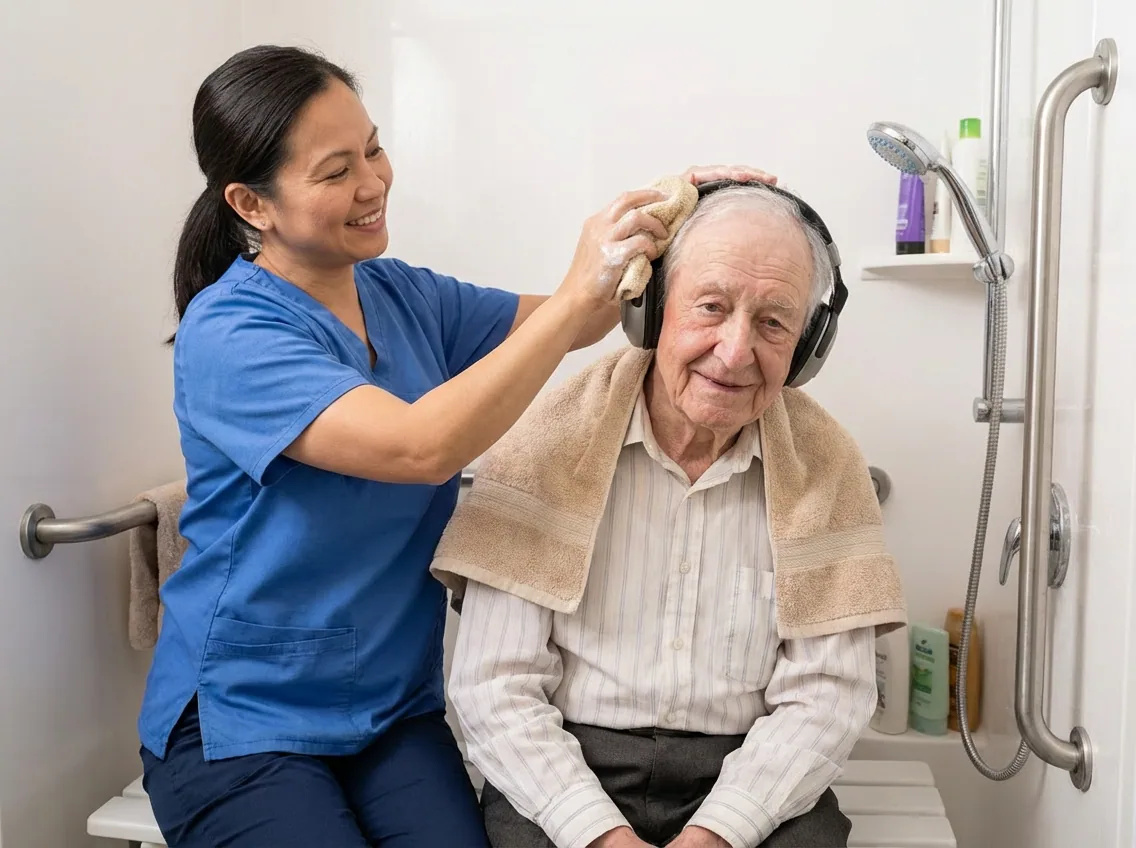
Following surgery or acute illness, many individuals require assistance with personal care, including washing, dressing, toileting, and grooming. Our trained carers provide dignified, sensitive support, helping individuals regain confidence with self-care activities and gradually reducing care input as independence improves. Learn More
Personal Care and Hygiene
Following surgery or acute illness, many individuals require assistance with personal care, including washing, dressing, toileting, and grooming. Our trained carers provide dignified, sensitive support, helping individuals regain confidence with self-care activities and gradually reducing care input as independence improves.
Rehabilitation and Exercise Support
Recovery from surgery, stroke, or serious illness often requires rehabilitation exercises prescribed by physiotherapists or occupational therapists. Our carers are trained to support individuals in completing these exercises safely, providing encouragement and monitoring for any signs of complications. We work from detailed rehabilitation plans, ensuring consistency and progression.
Nutrition and Hydration Support
Poor nutrition and dehydration significantly impair recovery and increase infection risk. Our carers ensure individuals receive regular, nutritious meals and adequate fluids, adapting diets where necessary such as texture-modified diets for swallowing difficulties and monitoring for any concerning changes in appetite or intake. We work with hospital discharge teams to implement any specialist feeding requirements, including nasogastric feeding or PEG feeding where relevant.
Falls Prevention
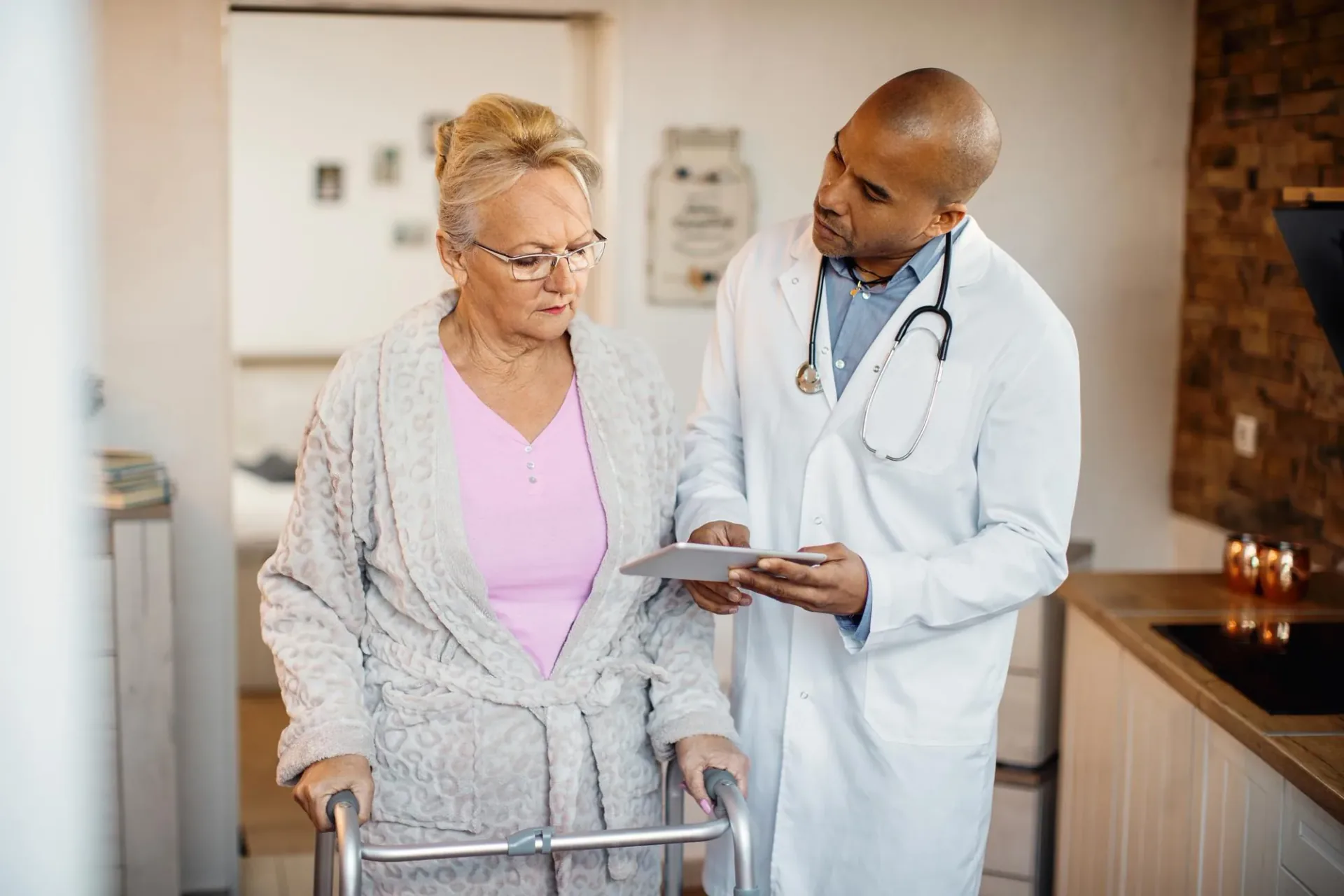
Falling is a major risk factor for people recovering at home, particularly those who have had hip or other bone fractures, stroke, or serious illness that affects balance or strength. Our carers assess the home environment for hazards, support individuals in moving safely, and encourage the use of walking aids and mobility equipment as prescribed. We apply NICE guidelines on falls prevention, recognising risk factors such as medications, environmental hazards, and reduced mobility, and implementing mitigation strategies.
Wound Care and Medical Equipment Management
Our Nominated Individual, Gideon Ogunwale RGN/RMN, brings specialist clinical expertise in wound management, catheter care, stoma care, and management of medical equipment. Where individuals are discharged with wounds requiring specialist dressing, catheters, stomas, or other medical devices, we provide expert support, working from detailed instructions provided by hospital teams and community nurses.
Emotional Support and Settling In
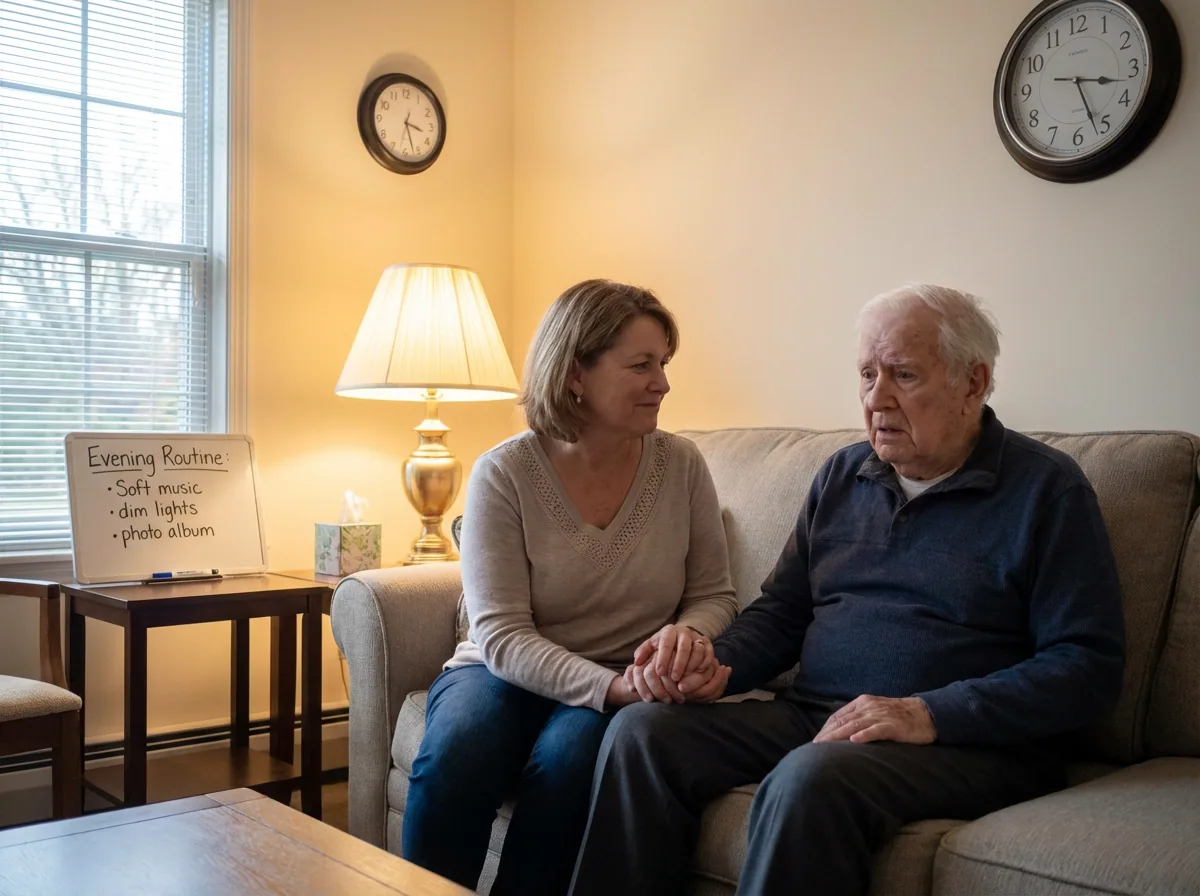
Coming home from hospital can be emotionally challenging, particularly for those who have experienced serious illness or significant disability. Our carers provide not just physical care but emotional support, helping individuals adjust to their changed circumstances, rebuilding confidence, and supporting mental health and wellbeing during recovery. Regular carers build relationships and continuity, which is crucial for psychological recovery.
Reducing Hospital Readmission Rates
Hospital readmission within 30 days of discharge is a significant marker of healthcare quality and a common measure of care effectiveness. Research consistently shows that high-quality discharge care, including domiciliary support, significantly reduces readmission rates.
Common causes of readmission
Medication errorsFallsPoor NutritionInfectionInadequate rehabilitation
This investment in early support prevents costly emergency readmissions, improves health outcomes, and allows individuals to progress towards their independence goals.
Learn MoreWorking with Hospital and Community Teams
At Earnest Support Care Ltd, we pride ourselves on collaborative working. We maintain close partnerships with Great Western Hospitals NHS Foundation Trust discharge team, Swindon Borough Council adult social care and reablement services, community nursing teams, GPs, therapists, and other health and social care professionals involved in the individual's care. Learn More
Communication and Coordination
We receive detailed discharge summaries and care plans from hospital teams, outlining medical history, discharge diagnosis, medications, rehabilitation requirements, and any specialist instructions.
We ensure all relevant professionals are updated on the individual's progress at home, any concerns that arise, and confirmation when individuals are ready to progress towards independence. Regular communication ensures coordinated care and rapid escalation if problems develop.
Short-term vs Ongoing Care
Hospital discharge care is typically a short-term intervention, usually lasting between two and six weeks, though some individuals may require support for longer. The aim is always to enable individuals to progress towards independence, reducing care input as they regain abilities and confidence.
Transitioning to Ongoing Support
Where assessment during the Discharge to Assess period identifies ongoing care needs, we can seamlessly transition individuals to our standard domiciliary care service. This continuity is valuable, as individuals remain supported by familiar carers and the transition is planned carefully to match care input to identified needs.
FAQ
Frequently Asked Questions About Hospital Discharge Care
Six questions families often ask, answered with honesty and care.
Get in Touch Today
Discuss Hospital Discharge Care for Your Loved One

If you would like to discuss support after a hospital stay, please contact us. Our team can listen to your needs, answer questions, and explain how we may be able to support a safe return home.