→
NICE NG97 Framework
We follow the NICE NG97 guideline framework, which sets the gold standard for dementia support, ensuring our practice is grounded in current best evidence.
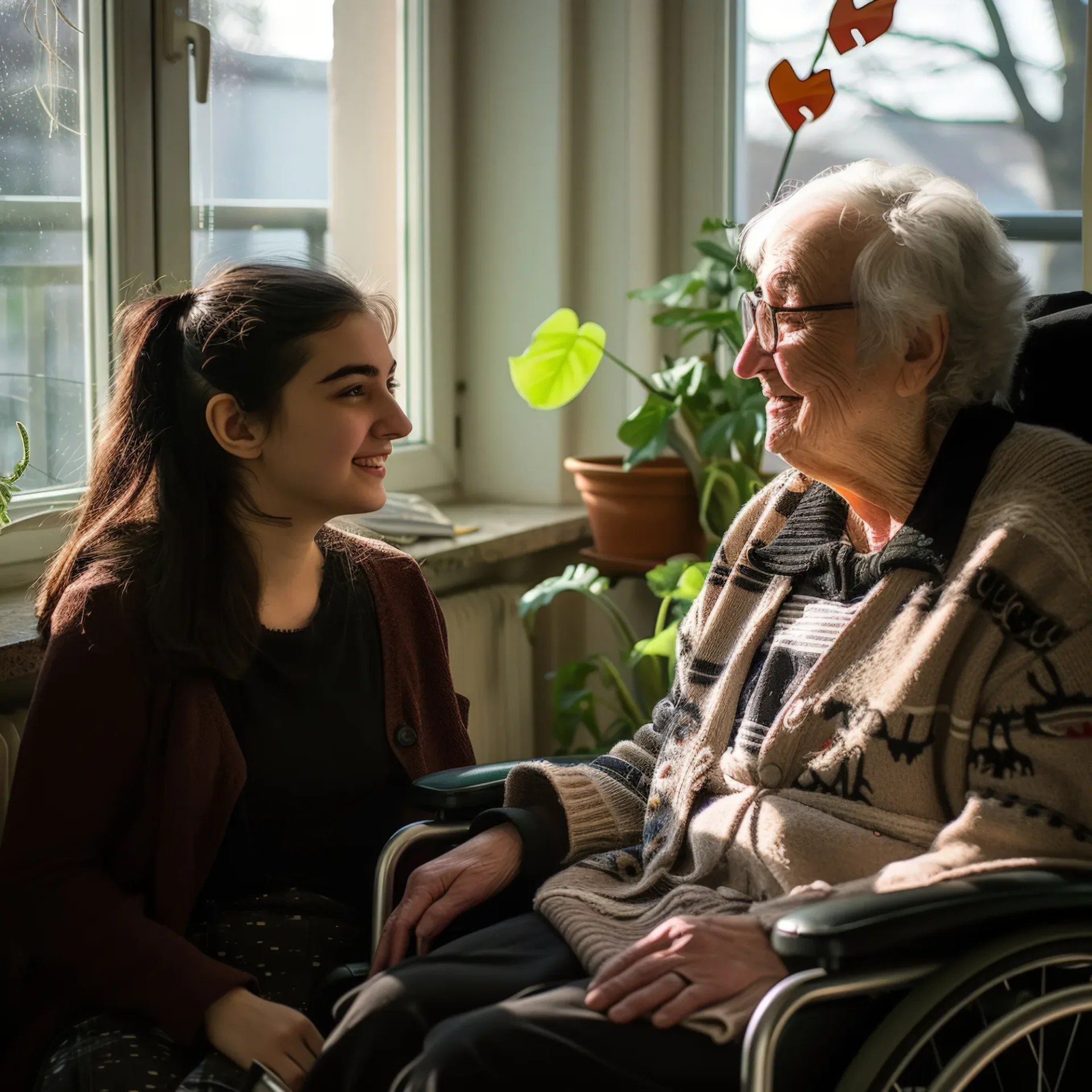
Living with dementia is a profound journey, and the person experiencing it deserves support that recognises their individuality, respects their dignity, and maintains their sense of self.
At Earnest Support Care Ltd, we provide specialist dementia care at home across Swindon, working with individuals diagnosed with Alzheimer's disease, vascular dementia, Lewy body dementia, frontotemporal dementia, mixed dementia, and other forms of cognitive decline.
Living with dementia is entirely possible when supported by knowledgeable, compassionate care delivered in the familiar surroundings of home.
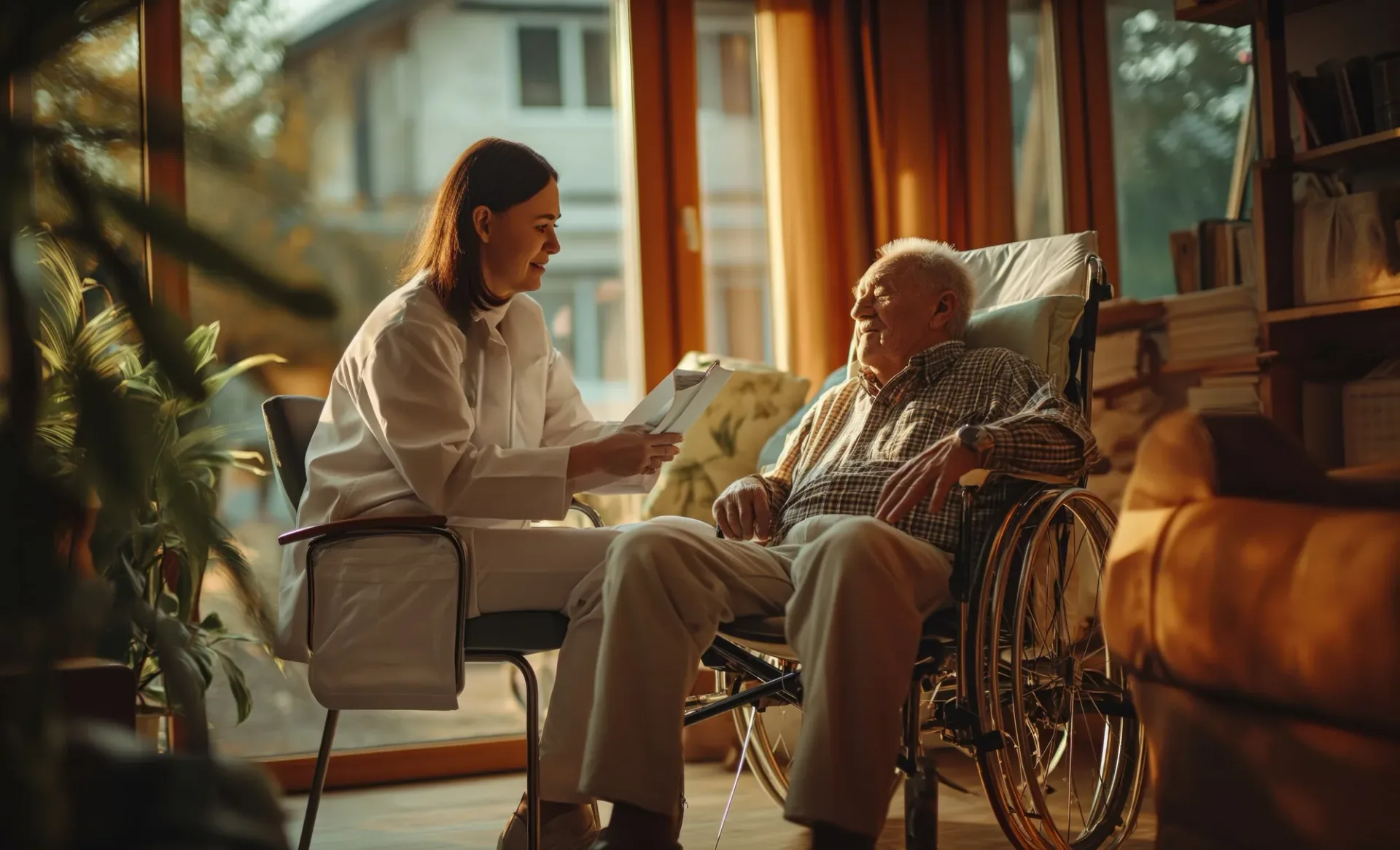
We follow the NICE NG97 guideline framework, which sets the gold standard for dementia support, and integrate the person-centred care philosophy developed by Professor Tom Kitwood, whose landmark work transformed how we understand and respond to dementia.
Kitwood emphasised that dementia is not simply a medical condition but a social experience in which the person's identity, relationships, and emotional wellbeing are paramount.
Our carers are trained to move beyond the diagnosis and understand the whole person; their life history, values, preferences, relationships, and what brings them joy. This is not a deficit-focused model of care. Instead, we maintain hope, dignity, and personhood throughout the dementia journey.
We follow the NICE NG97 guideline framework, which sets the gold standard for dementia support, ensuring our practice is grounded in current best evidence.
We integrate the person-centred care philosophy developed by Professor Tom Kitwood, whose landmark work transformed how we understand and respond to dementia — recognising it as a social experience.
Our carers move beyond the diagnosis to understand the whole person: their life history, values, preferences, relationships, and what brings them joy. This is not a deficit-focused model.
We maintain hope, dignity, and personhood throughout the dementia journey. Kitwood emphasised that the person's identity, relationships, and emotional wellbeing are paramount — we live this belief.
Specialist Understanding
Each type of dementia presents differently, progressing at different rates and affecting different cognitive and physical functions. Understanding these differences allows us to tailor our support precisely.
 60–80% of all cases
The most common form of dementia, accounting for 60–80 per cent of all cases. Alzheimer's is characterised by progressive memory loss that typically begins with forgetting recent events and gradually affects older memories. Individuals may experience difficulty with language, confusion about time and place, changes in behaviour and mood, and eventually require support with all activities of daily living. We provide early, middle, and late-stage support, adapting our approach as needs evolve.
The second most common dementia type, often caused by reduced blood flow to the brain due to stroke, heart disease, or hypertension. Vascular dementia can develop suddenly after a major stroke or gradually through multiple small strokes. Cognitive changes may be uneven, with some abilities preserved longer than others. We coordinate closely with stroke rehabilitation services and work to prevent further cerebrovascular events through lifestyle support and medication adherence.
 2nd most common
 LBD specialist support
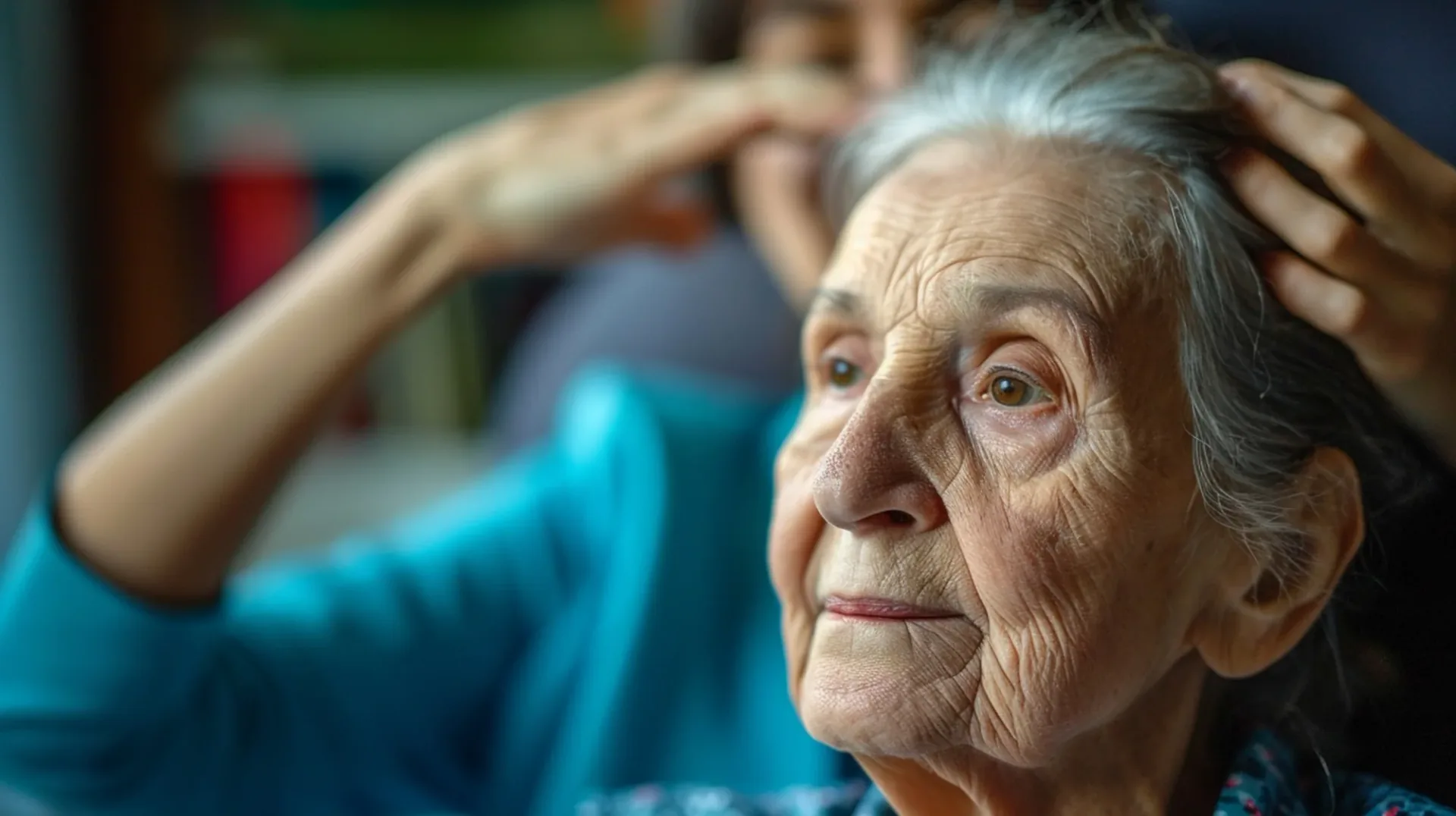
Characterised by the presence of Lewy bodies, abnormal protein deposits in the brain. People with Lewy body dementia often experience visual hallucinations early in the condition, fluctuating cognition, Parkinson's-like features such as rigidity and tremor, and sensitivity to antipsychotic medications. Our carers receive specialist training to recognise hallucinations as real experiences for the person and respond with compassion rather than contradiction.
A less common but often devastating form affecting the frontal and temporal lobes. Frontotemporal dementia typically emerges in people under 65 and is characterised by profound changes in personality, behaviour, and social conduct, often appearing before significant memory loss. Individuals may become impulsive, disinhibited, or emotionally withdrawn. Supporting someone with frontotemporal dementia requires specialist understanding of behavioural changes and their neurological basis.
 Often under 65
 Multipathology types
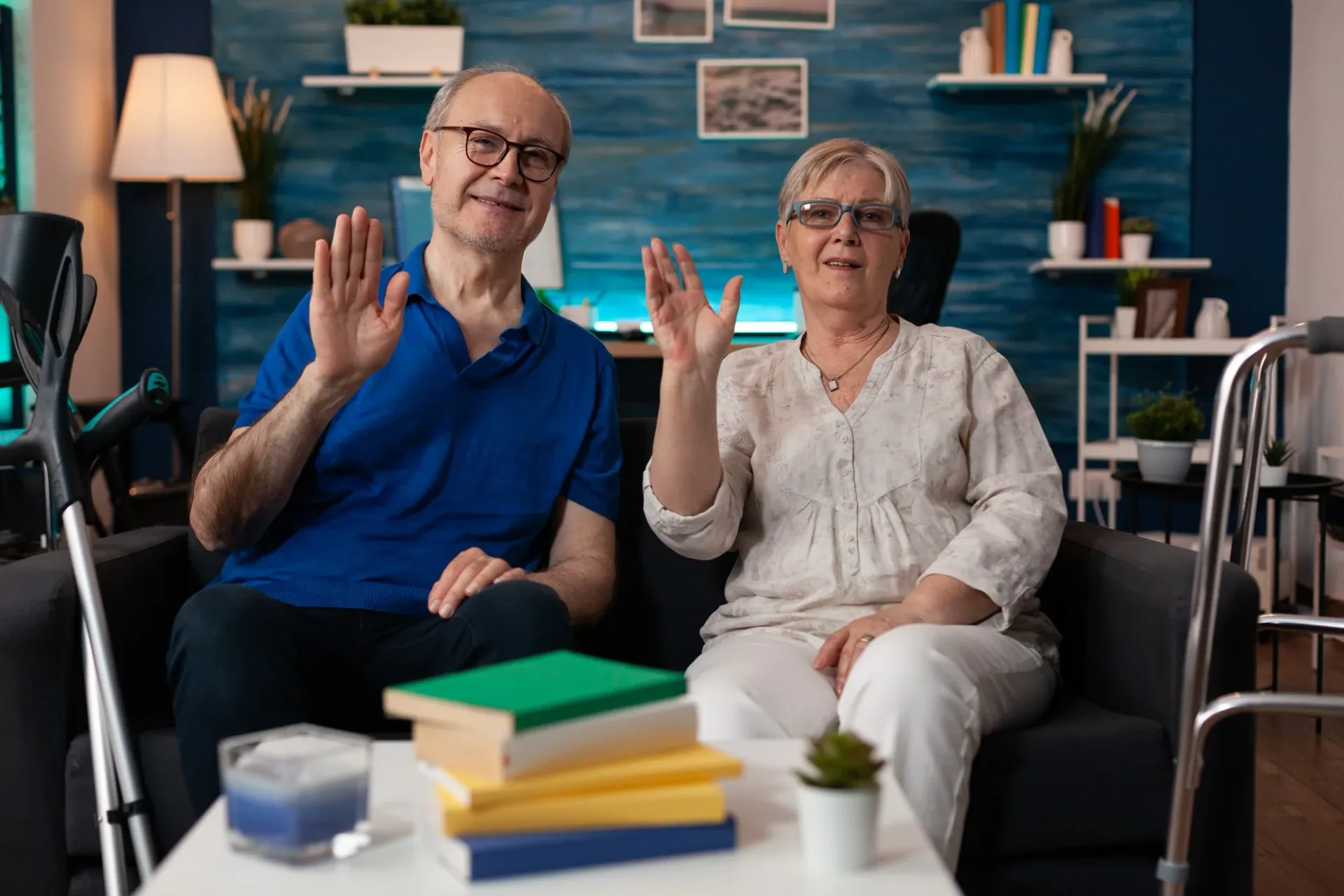
Many people have more than one type of dementia occurring simultaneously; for example, Alzheimer's pathology combined with Lewy bodies or vascular changes. Mixed dementia can create complex presentations requiring nuanced, flexible support. We assess each person's unique constellation of symptoms and needs rather than fitting them into single diagnostic boxes.
One of the most powerful tools in dementia care is what we call "This Is Me" work. Even as memory fades, the sense of personal identity can be preserved, celebrated, and used as a bridge to connection. We work with families and individuals to develop comprehensive life history documents.
These documents become a reference guide for our carers, enabling us to provide care that feels personal, coherent, and respectful.
"A person living with advanced dementia may not recall their daughter's name, but when we play their favourite song from their courting days, or speak about their career as a teacher, something lights up inside. We preserve personhood even when memory fades."

Photographs, stories, how to pronounce names
Roles held, skills developed, pride in accomplishment
What brings joy, what has always mattered
Travel, milestones, challenges overcome
Practices and beliefs that give meaning
Music, activities, sensory preferences
Individual quirks and special phrases
How the person prefers to be supported and what matters most
Evidence-Based Practice
As dementia progresses, traditional verbal communication often becomes fragmented. Our carers are trained in a range of evidence-based communication strategies tailored to each stage of the condition.
In early-stage dementia, the person retains significant verbal ability but may experience word-finding difficulties, repetition, or mild confusion.
Use clear, straightforward language with time for processing
Avoid patronising simplification — respect autonomy
Focus on supporting confidence and independence
Validate concerns and feelings throughout the conversation
Recognise that adjustment to a dementia diagnosis is emotionally significant
As dementia progresses, more structured communication becomes necessary. We adapt our approach at every step.
Use simple sentences with one idea at a time
Employ visual cues such as gestures and pointing
Use objects to communicate about activities
Maintain a calm, unhurried tone throughout
Offer gentle choices rather than open-ended questions
Never argue or contradict — gently redirect if appropriate
Use simple pictures or written words alongside speech
In later stages, verbal speech may become very limited or absent. Communication becomes multisensory — touch, tone, music, and presence all carry meaning.
Communicate through touch, hand-holding, and gentle massage
Use music, singing, and warmth as connection pathways
Attend carefully to non-verbal cues — facial expression and body language
Never assume the person cannot understand — assume competence
Offer choice through gestures where possible
Maintain dignity and warmth in every interaction
A common misconception is that people living with advanced dementia cannot engage meaningfully. The truth is that engagement takes different forms. Even someone who cannot hold a conversation can enjoy music, feel satisfaction in sorting objects, appreciate beauty in a garden, or experience joy in sensory activities.
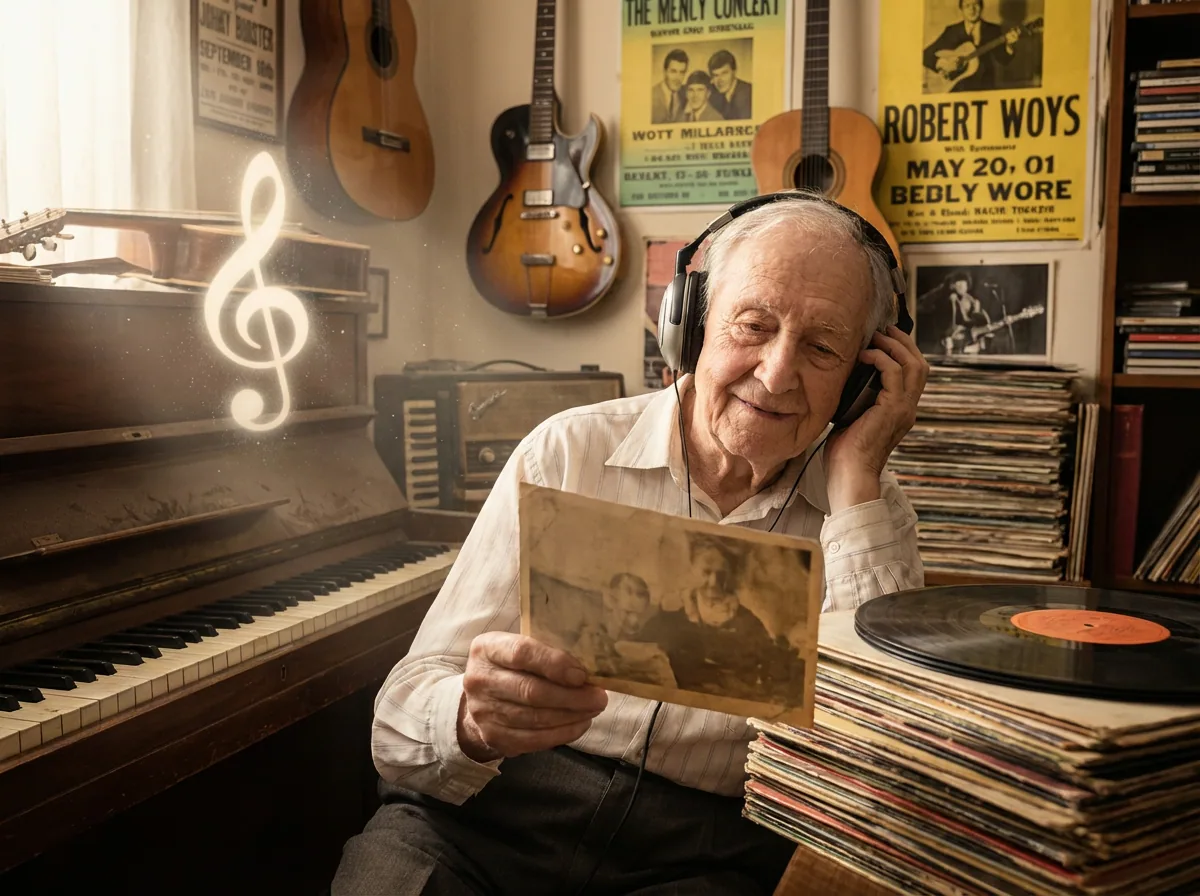
Music has a unique power in dementia care. Long-term musical memory is often preserved even when recent memory is severely affected.

Many people spend much of their lives outdoors or with plants. We facilitate access to gardens or outdoor spaces as much as possible.

Art is not about creating a masterpiece; it is about the process.
Evidence-Based Practice
Two aspects of dementia care that profoundly affect wellbeing and safety — and where our clinical expertise makes a significant difference.

Malnutrition and dehydration are common and serious complications in dementia. As the condition progresses, appetite may decrease, the person may forget to eat, swallowing may become difficult, and independence with meals may be lost. We take nutrition and hydration as seriously as any clinical intervention.
We follow the International Dysphagia Diet Standardisation Initiative (IDDSI) framework for modified consistency diets, ensuring safe and adequate nutritional intake. We also recognise that mealtimes are social, relational, and cultural, not purely functional. A person living with dementia may no longer remember who made the pudding, but they will feel love in being fed with patience and care.
Monitor appetite and intake at every visit
Offer favourite foods and drinks
Identify swallowing difficulties (dysphagia)
Validate concerns and feelings throughout the conversation
Follow IDDSI framework for modified consistency diets
Encouragement and support with meals
Adapt consistency and texture as needed
Coordinate with speech and language therapy
Create unhurried, dignified mealtime experiences
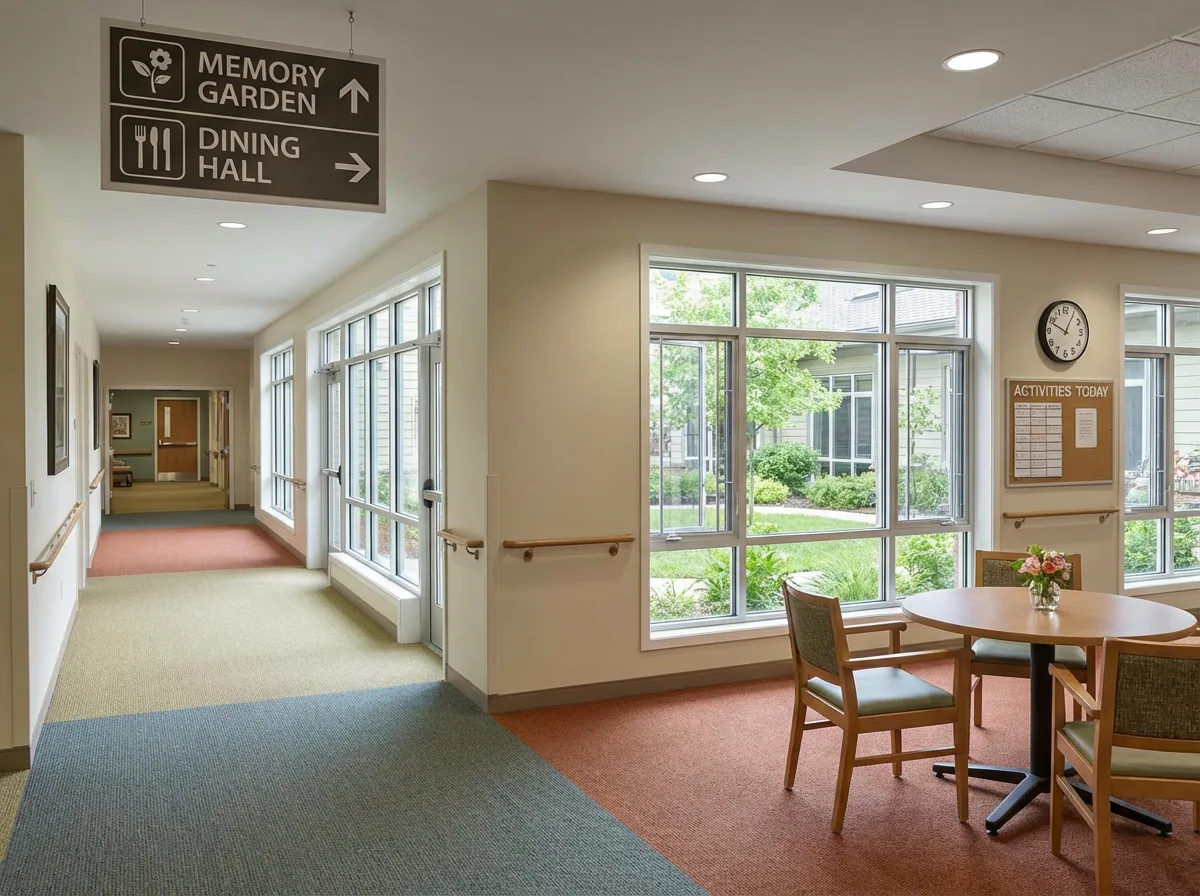
The physical environment has a profound impact on someone living with dementia. Confusion, anxiety, and behavioural distress often relate to the environment rather than the person's condition. We work with families to create an environment that supports safety, independence, and wellbeing.
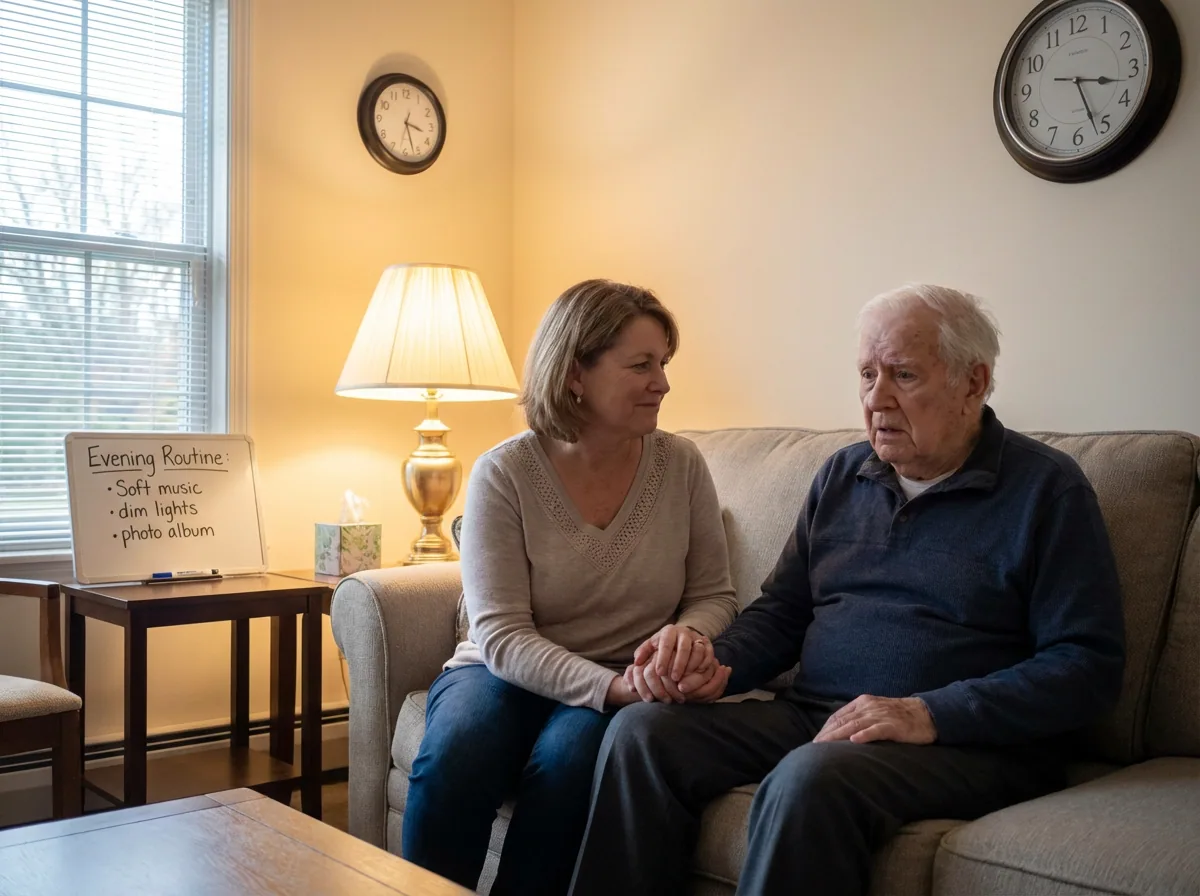
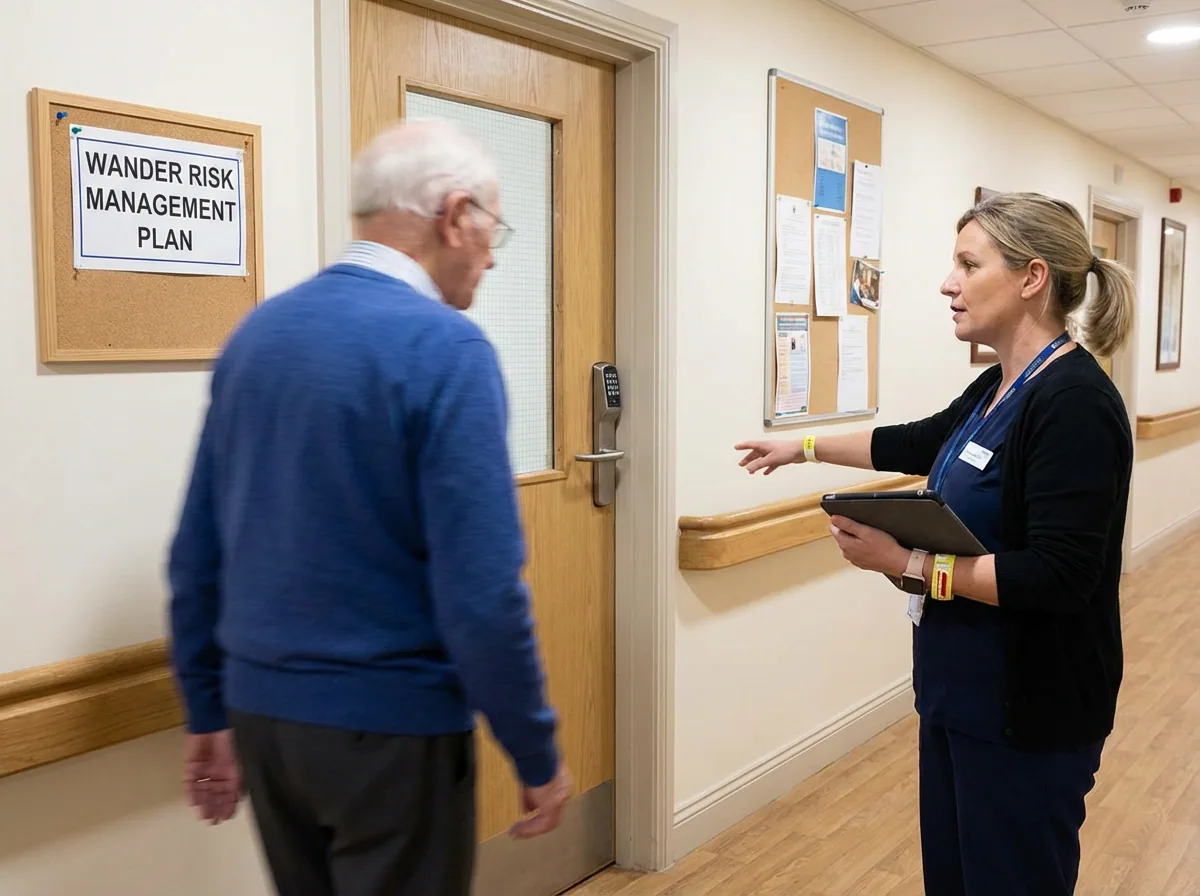
We assess for hazards such as unlocked doors, medications left accessible, or objects that could cause injury. We use signage, contrasting colours, and clear labelling to support orientation. For example, a contrasting toilet seat or a sign on the bedroom door can help the person navigate their home more independently. Good lighting reduces fear and disorientation, particularly in evening hours when sundowning occurs.
A home that smells familiar, contains cherished photographs and objects, and reflects a person's taste and personality is far more supportive than a clinical environment. We encourage families to maintain the home as it has always been, with photographs, artwork, and mementos visible. These items are anchors to identity and memory.
All our carers supporting people with dementia receive comprehensive, ongoing specialist training covering the following areas
Systematic observation of how a person is experiencing their care environment
Understanding current evidence-based best practice
Adapting communication to stage of dementia
Assessing capacity and making best interests decisions
Environmental assessment, mobility support, medication review
Recognising end-of-life signs, comfort-focused care
Supporting safe eating and drinking
Preventing and managing pressure ulcers
Recognising financial abuse, self-neglect, and other forms of harm


Partnership and Compassion
The family is central to good dementia care. We work as genuine partners — and we plan ahead with compassion and clarity..
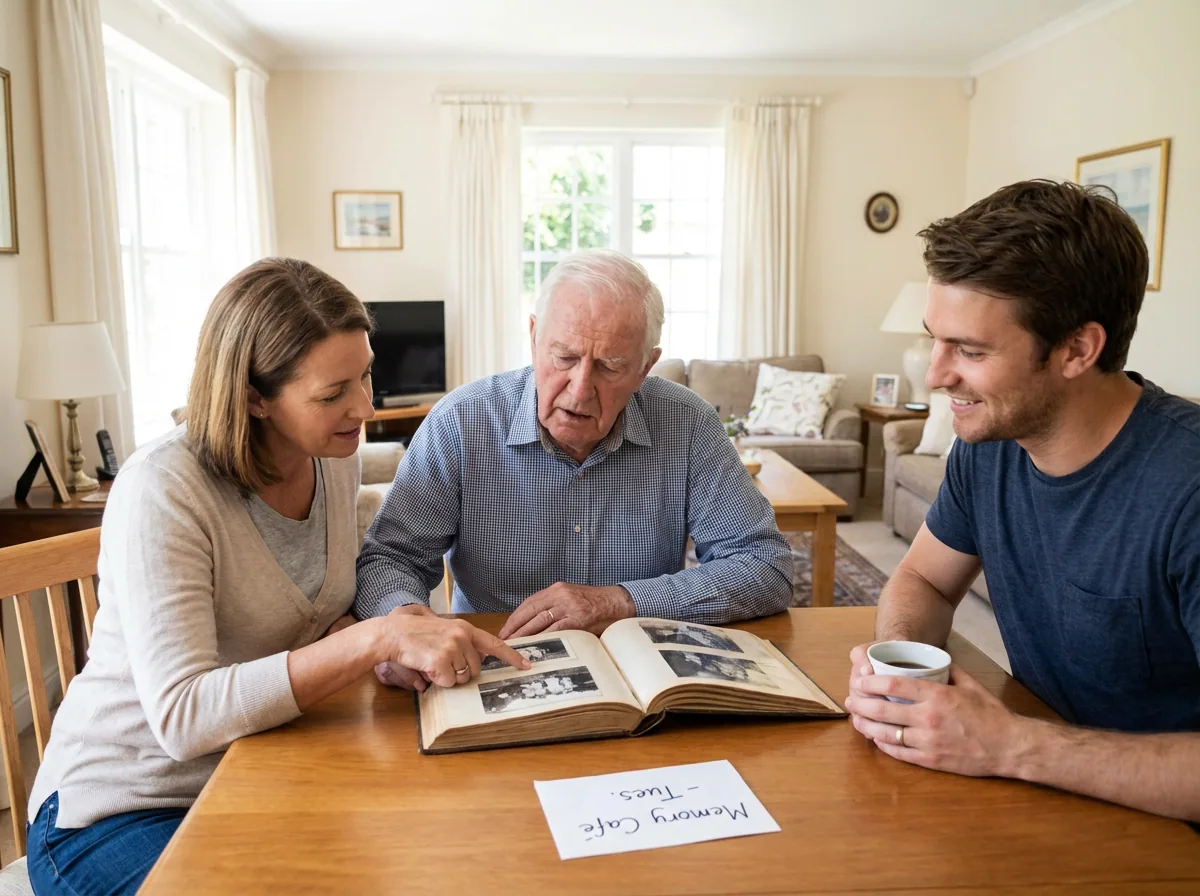
The family is central to good dementia care. We work as genuine partners, recognising that families often know the person better than anyone. We also acknowledge that supporting someone with dementia is emotionally and physically demanding. Family carers themselves need support.
We listen to family concerns and incorporate preferences into care plans
We keep families informed and involved at every stage
We signpost to Alzheimer's Society, Dementia UK, and local carers' support groups
We provide respite where possible, recognising carer wellbeing as essential
We acknowledge the emotional and physical demands of caring
We work as genuine partners, recognising families often know the person best
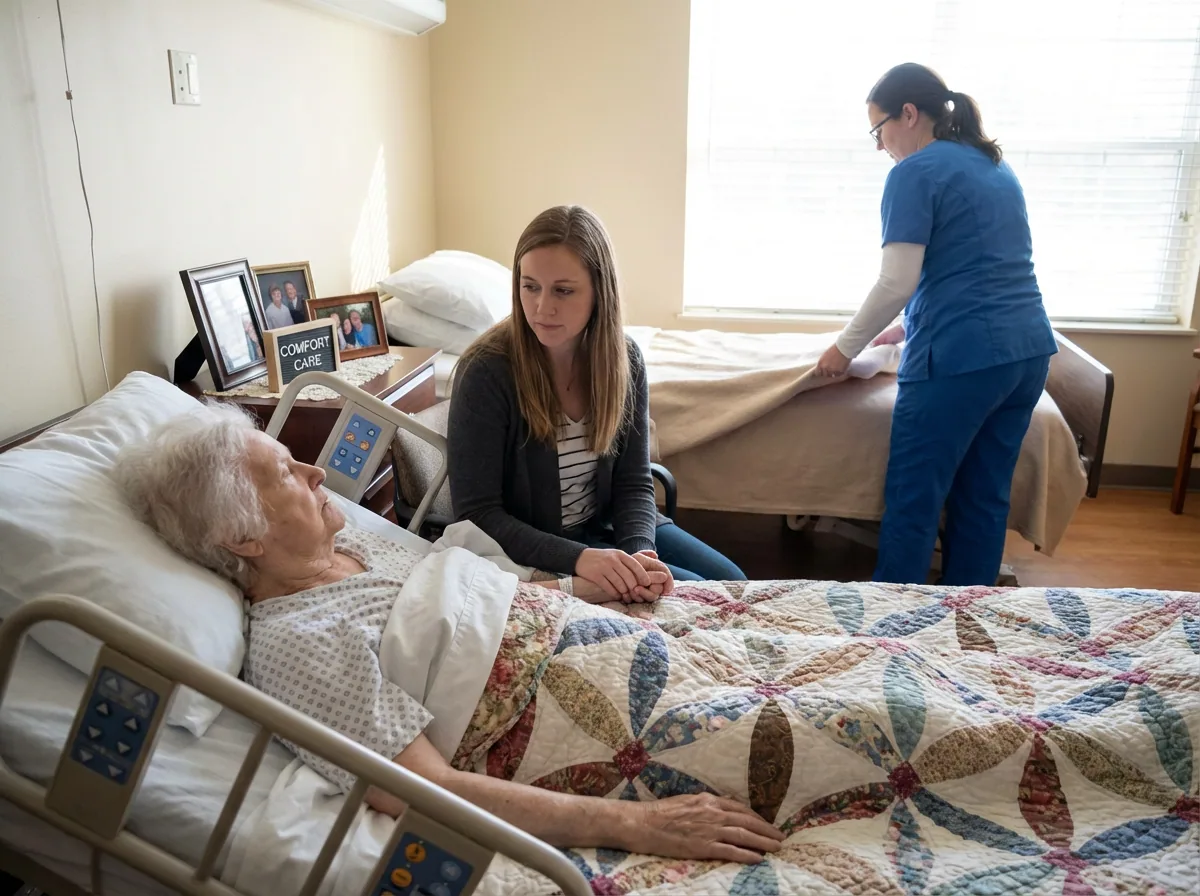
Dementia is a terminal condition, and end-of-life care planning is an important conversation to have early. We support advance care planning conversations. As dementia progresses toward the end of life, we shift toward comfort-focused care following the Gold Standards Framework.
We coordinate with Prospect Hospice Swindon and Dorothy House Hospice Care for specialist end-of-life support, ensuring that the final phase of life is peaceful, comfortable, and supported as possible.
Document the person's values and preferences for care (even when capacity is intact)
Identify who should be involved in decisions
Discuss CPR preferences sensitively and early
Explore what "quality of life" means to this individual
Work with the Gold Standards Framework for end-of-life
Coordinate with Prospect Hospice Swindon and Dorothy House Hospice Care
Provide bereavement support to families after death
Ten questions families often ask — answered with honesty and care.
Get in Touch Today

If you would like to discuss care within your location, we would be delighted to hear from you. Please contact us:
Our team is available to answer your questions and arrange a convenient time to discuss your care needs in detail.